
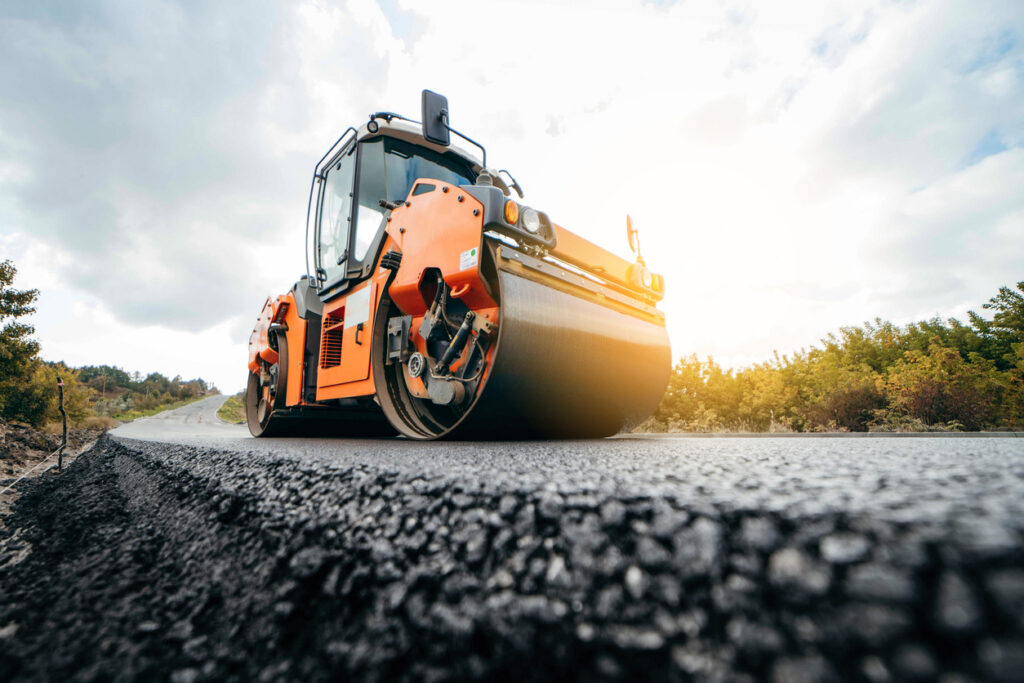
Road networks are under more pressure than ever. Heavier traffic loads, rising temperature extremes, tighter environmental regulations, and increased expectations for service life are all reshaping how pavements are designed and maintained.
In response, the industry has increasingly turned to asphalt performance enhancers: a broad category of asphalt additives designed to improve pavement performance, extend asphalt durability, and enable more resilient, adaptable road infrastructure.
What Are Asphalt Performance Enhancers?
Asphalt performance enhancers are engineered materials added to bitumen or asphalt mixtures to modify, improve, or restore key material properties. Rather than changing the fundamental purpose of asphalt, they enhance how it behaves under conditions such as traffic loading, oxidation, moisture exposure, and temperature cycling.
These materials sit within the broader field of asphalt technology and modified asphalt systems, where small chemical or physical changes at the binder level translate into significant improvements in pavement performance at the road level.
In practical terms, performance enhancers help asphalt to:
- Resist rutting under heavy loads
- Reduce cracking in cold or aged conditions
- Improve workability during production and compaction
- Increase resistance to moisture damage
- Extend overall pavement lifespan
As transportation infrastructure demands evolve, these additives are increasingly integrated into mix design strategies rather than treated as optional upgrades.
The Growing Demands on Modern Asphalt Pavements
Roads today operate in a fundamentally different environment than those built even two decades ago. Traffic volumes are higher, axle loads are heavier, and freight movement is more continuous. At the same time, climate variability is pushing pavements into more extreme thermal cycles.
These pressures create a compounding effect:
- Higher temperatures accelerate rutting in summer
- Lower temperatures increase thermal cracking risk in winter
- Oxidation over time makes binders brittle
- Moisture intrusion weakens adhesion between binder and aggregate
At the same time, sustainability requirements are reshaping construction practices. Agencies and producers are increasingly incorporating reclaimed asphalt pavement (RAP), lowering production temperatures, and reducing overall carbon emissions.
This combination of performance demands and environmental constraints has made asphalt performance enhancers central to pavement engineering.
Performance Challenges Facing Today's Mixes
Without modification, conventional asphalt systems often struggle to balance competing performance requirements. Improving one property can unintentionally weaken another.
Key challenges include:
- Rutting resistance vs. flexibility trade-offs
- Aging-induced brittleness over time
- Moisture susceptibility in certain aggregate sources
- Workability limitations at lower production temperatures
- Variability introduced by high RAP content
These challenges highlight why single-binder approaches are often insufficient. Instead, targeted asphalt additives are used to address specific weaknesses within the mix.
Types of Asphalt Performance Enhancers
The category of asphalt performance enhancers includes several distinct technology families. Each targets a different aspect of binder or mixture behavior.
Polymer Modifiers
Polymer modifiers are among the most widely used asphalt additives in high-performance pavement design. These materials are blended into bitumen to improve cohesion and resistance to deformation in blends known as polymer modified bitumen (PMB).
Polymer modified asphalt typically delivers:
- Improved rutting resistance at high temperatures
- Better fatigue performance under repeated loading
These systems are particularly valuable in highways and heavily trafficked roads where structural stability is critical.
Asphalt Rejuvenators
Asphalt rejuvenators are designed to restore aged binder properties, particularly in mixes with high levels of reclaimed asphalt pavement (RAP). As asphalt ages, it loses lighter fractions, becoming stiff and brittle. Rejuvenators reintroduce balance to the binder chemistry.
Key benefits include:
- Restored ductility and flexibility
- Improved cracking resistance
- Increased RAP utilization potential
- Extended pavement life through binder reactivation
This technology plays a crucial role in circular economy strategies and sustainable pavement design.
Warm Mix Additives
Warm mix asphalt technologies reduce production and compaction temperatures without compromising performance. These asphalt additives improve workability by reducing binder viscosity or enhancing coating efficiency.
Benefits include:
- Lower energy consumption during production
- Reduced emissions and fumes
- Improved compaction at lower temperatures
- Extended paving season and haul distances
Warm mix additives are increasingly used to meet environmental compliance targets while maintaining constructability.
Crosslinking Additives
Crosslinking additives enhance the internal structure of modified binders by improving polymer dispersion and stability. These systems help maintain uniformity during storage and production while strengthening binder performance under load.
Typical advantages include:
- Improved storage stability of modified binders
- Greater resistance to permanent deformation
- More consistent field performance
- Reduced H2S emissions for improved worker safety
These technologies are particularly important in polymer-rich systems where phase separation can be a concern.
Selecting the Right Performance Enhancement Strategy
There is no universal solution in asphalt design. Selecting the appropriate combination of asphalt performance enhancers depends on:
- Traffic loading conditions
- Climate and temperature range
- Availability and quality of aggregates
- RAP content and recycling goals
- Environmental, sustainability, and regulatory requirements
- Expected service life and maintenance strategy
Mix design engineers increasingly use a systems-based approach, combining multiple technologies to achieve balanced performance rather than optimizing a single parameter.
The Future of Asphalt Performance
The future of asphalt technology is moving toward integrated, multi-functional additive systems that address performance, sustainability, and constructability simultaneously.
Several trends are shaping this evolution:
- Higher RAP and RAS utilization rates
- Lower carbon construction targets
- Performance-based specification frameworks
- Smart, tailored additive systems rather than single-function products
- Greater emphasis on lifecycle performance over initial cost
As these trends converge, asphalt performance enhancers are becoming fundamental building blocks of resilient infrastructure rather than optional modifiers. By targeting specific weaknesses in traditional mixes, asphalt additives can enable longer-lasting, more durable, and more sustainable roads. In an industry defined by rising demands and shrinking margins for error, asphalt performance enhancers have become essential infrastructure tools.
For more information about asphalt additives, visit www.sripath.com or contact info@sripath.com.
