
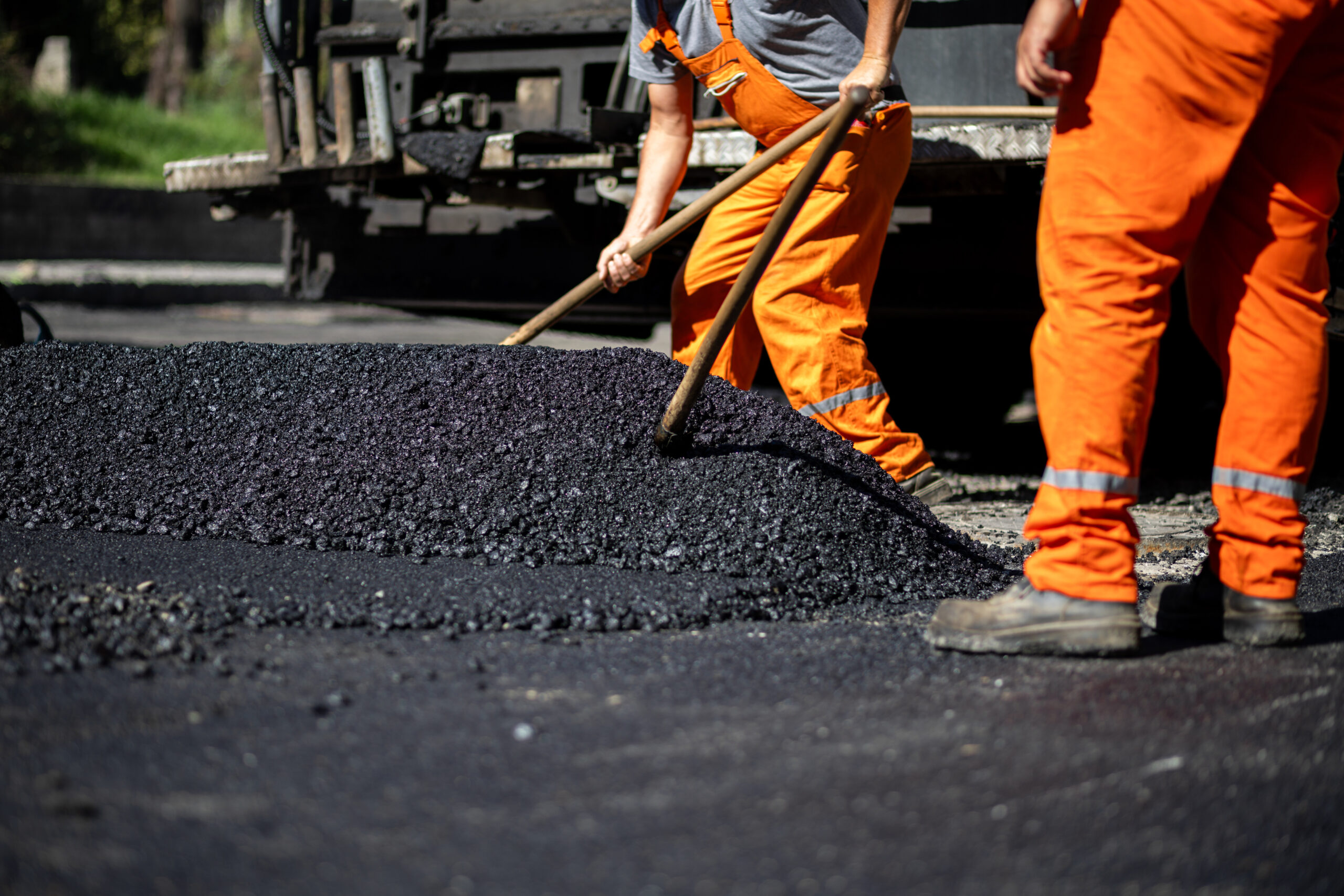
Warm mix asphalt (WMA) has become widely known for its sustainability benefits such as reduced fuel consumption, lower emissions, and a smaller carbon footprint. But an equally important aspect of WMA use that is often overlooked is how WMA can make paving jobs safer and more comfortable for the asphalt crews. By lowering production and compaction temperatures, warm mix asphalt can reduce worker exposure to fumes, heat stress, and other job-site hazards and help create improved working conditions and overall safety.
What is Warm Mix Asphalt (WMA)?
Warm mix asphalt is produced and placed at temperatures typically 16-39°C lower (30-70°F) than traditional hot mix asphalt (HMA). This reduction is achieved by incorporating additives or technologies such as chemical additives, organic waxes, or foaming systems to improve mix workability at lower temperatures.
Lower operating temperatures translate directly into energy savings and environmental gains, but the benefits can go far beyond these. For asphalt crews, these temperature reductions can have meaningful, measurable impacts on onsite health and safety.
Safety Benefits of Warm Mix Asphalt
Reduced Exposure to Fumes
One of the most significant advantages of warm mix asphalt is the reduction in fumes generated during production and paving. Lower temperatures produce fewer vapor emissions, which can improve air quality around the paver and reduce workers' exposure to irritants or unpleasant odors. Exposure to asphalt fumes has also be associated in some studies with an increased risk of cancer, a major driver for more rapid WMA innovation and implementation in Europe.
Fewer fumes also mean:
- Better visibility around equipment
- Reduced risk of respiratory discomfort or irritation
- A more comfortable and less stressful paving environment
While WMA is not a substitute for proper personal protective equipment or ventilation protocols, its inherent reduction in emissions can support safer working conditions for the entire crew.
Lower Risk of Heat Stress
Paving is physically demanding work, and HMA environments are especially challenging. Workers stand over equipment radiating high heat often during the hottest months of the year. Heat stress ranging from mild fatigue to more serious heat-related illness is a constant concern.
By lowering production and compaction temperatures, warm mix asphalt reduces the radiant heat coming off the roadway and the equipment. This can help create:
- Cooler working zones around the paver
- Reduced cumulative heat exposure over long shifts
- Lower strain on crews during extended compaction windows
Improved Workability Enhances Safety
Warm mix asphalt improves workability at lower temperatures, which provides operational safety benefits. Because WMA remains easier to place and compact, crews have:
- More time to achieve proper compaction
- More predictable mix behavior
- Reduced need for rushed maneuvers around equipment
When teams are not racing against a rapidly cooling surface, they can operate more deliberately and help minimize mistakes and equipment issues that can lead to accidents.
Faster Opening Times and Less Time in Live Traffic
Warm mix asphalt supports work zones that operate more efficiently and with fewer overall risks. Some WMA technologies allow pavements to cool more quickly, enabling roads to reopen sooner. Reducing the duration of lane closures means workers may spend less time in proximity to live traffic, which remains one of the highest-risk elements of any paving job.
Shorter project durations also mean:
- Fewer shifts spent in active construction zones
- Reduced exposure to external environmental hazards
- Improved safety for workers and motorists
Other WMA Job Site Advantages that Improve Safety
Lower Odor Levels
Some warm mix additives can help mitigate the strong odors often associated with asphalt production. Lower odor levels can improve worker comfort, reduce distractions, and contribute to a more positive job-site environment.
Quieter Operations
Because WMA can be compacted with less force and pressure, the paving operation may generate less noise. While the difference varies across technologies and project conditions, any noise reduction improves communication between team members, which is a critical factor in avoiding job site accidents.
PHALANX®: Advancing Worker Safety Through Lower Temperatures
A growing number of WMA technologies are pushing temperature reductions while ensuring long-term pavement performance remains uncompromised. PHALANX, a superior warm mix additive, is designed to lower both production and compaction temperatures significantly. PHALANX is also odorless and more worker friendly. This can help crews realize the full safety advantages associated with warm mix asphalt.
With PHALANX:
- Lower production temperatures help reduce fumes and emissions at the plant.
- Lower compaction temperatures decrease radiant heat exposure around the paver and rollers.
- Enhanced workability helps crews achieve density more easily and safely.
- Odorless formulation improves onsite comfort and reduces nuisance odors around the paving operation.
One of the challenges with some WMA solutions is ensuring that lower temperatures do not negatively affect long-term pavement durability. PHALANX is engineered to maintain the performance characteristics of high-quality asphalt mixes even while enabling substantial temperature reductions. It supports excellent compaction and reliable long-term performance, giving contractors confidence that safety and durability can be achieved simultaneously.
Why Warm Mix Asphalt Is Essential for Safer, More Efficient Paving Operations
Warm mix asphalt delivers clear safety advantages that go beyond sustainability. By reducing fumes, lowering ambient and radiant heat exposure, improving workability, and shortening time spent in live traffic, WMA can create a safer, more comfortable paving environment for asphalt crews.
Warm mix additives like PHALANX are transforming what these mixes can achieve as they push temperatures lower without sacrificing performance. As the asphalt industry continues to prioritize worker safety, adopting WMA and advanced technologies represents progress in protecting the people who build and maintain roadways.
For more information about warm mix asphalt and PHALANX, contact info@sripath.com.
