
Bitumen, once a predictable byproduct of crude oil refining, is now at the center of a global supply and quality challenge. As refining technologies evolve and crude sourcing diversifies, the characteristics of bitumen have become increasingly inconsistent. This has posed challenges for contractors, suppliers, and transportation departments around the world.
Bitumen Quality Changes
Historically, bitumen was a reliable output of straight-run crude oil refining. Refineries produced it in abundance, and its properties were relatively stable. But today's refining landscape is different. Driven by economic pressures and technological advancements, refineries now prioritize extracting maximum value from crude oil, often at the expense of bitumen quality.
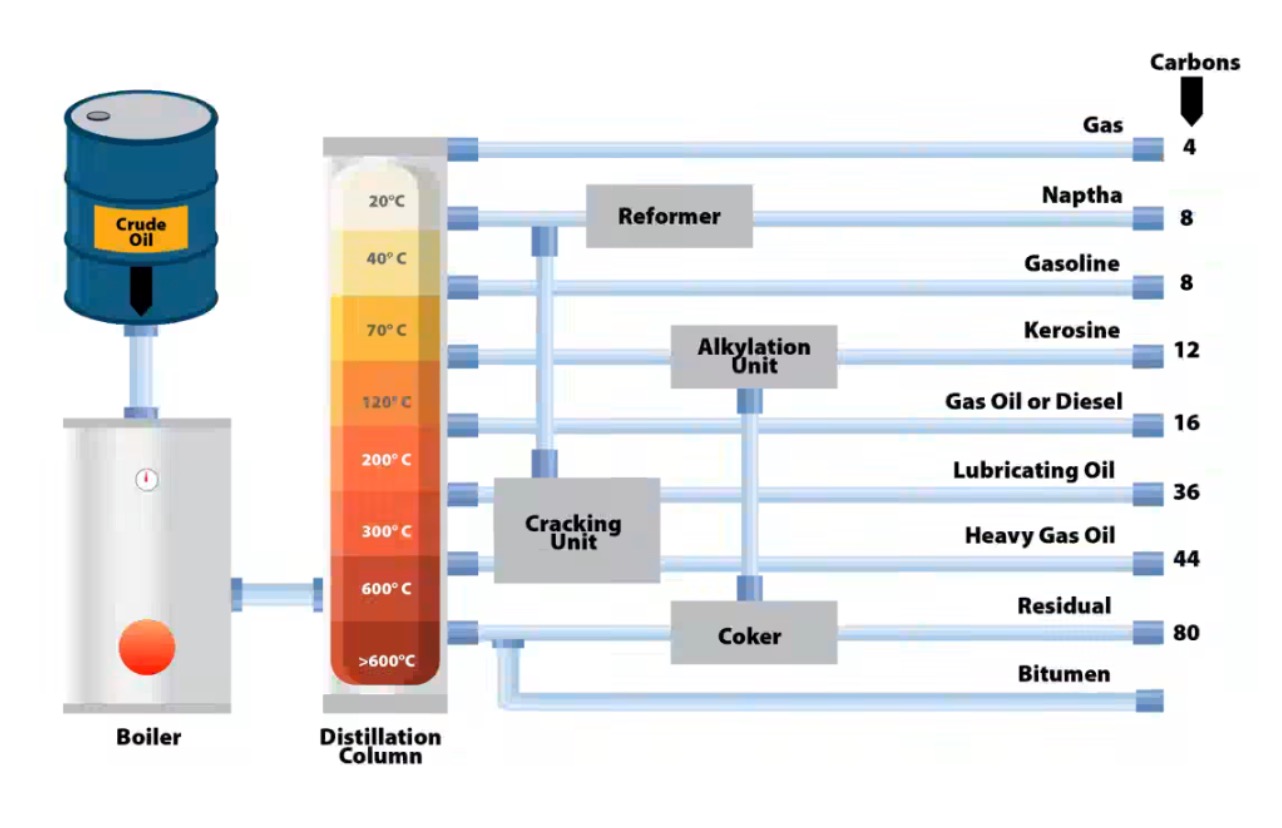
Modern refineries employ processes like coking, catalytic cracking, and block running that strip crude oil of its lighter, more profitable fractions. What remains is bitumen, and it is the quality of bitumen from these processes that has changed over time. The rise of synthetic crude slates, shale oils, and Synbits has further complicated bitumen production and introduced more variability in bitumen's chemical composition and performance characteristics.
The Consequences of Global Bitumen Sourcing
Bitumen is no longer sourced locally or from a single crude stream. Instead, it's procured globally across refineries with differing standards and feedstocks. Countries like Australia and South Africa, where domestic production is insufficient, rely heavily on imports. This opens the door to inconsistencies in bitumen quality as each shipment may originate from a different refinery and/or crude slates using different refining techniques.
The result can be asphalt mixes that vary in physical characteristics as well as chemical behavior. Contractors may find themselves working with binders that meet specifications on paper but fail to deliver consistent performance in the field.
The Asphalt Paving Industry and Changes in Bitumen Quality
This variability has sparked heated debates across the industry. Stakeholders demanded transparency from suppliers regarding what has changed about bitumen quality. Yet suppliers often point to the material meeting existing, agreed-upon specifications and dispel any responsibility for the outcomes of projects using the material. This dialogue underscores a troubling disconnect between specification compliance and real-world performance.
To navigate this new reality, the asphalt paving industry must shift its mindset. Relying solely on suppliers for quality assurance is no longer viable. Instead, stakeholders must define clear performance specifications, understand the role of additives, and actively manage the properties of the bitumen through more intentional balanced mix design.
Asphalt Additives: A Solution to Navigating Bitumen Quality
Asphalt additives can offer a way to mitigate the impact of refining changes on bitumen quality. Products like PGXpand®, a bitumen-friendly polymeric additive, and NuMIXER®, a bitumen softener, can enhance viscosity, workability, and temperature performance.
However, while additives can improve functional properties, they may not fully restore the original chemistry of high-quality bitumen. These additives are valuable tools that must be used strategically in conjunction with robust quality control measures.
Bitumen Procurement Practices and Market Dynamics
Procurement practices have also evolved. Long-term sourcing contracts are giving way to spot purchases, shorter-term agreements, and integrated traders. This shift, combined with volatile crude oil prices and geopolitical tensions, has made bitumen supply less predictable and more susceptible to market and quality shocks.
Moreover, the rise of high recycled asphalt (RA) mixes globally has added pressure to the supply chain. These asphalt mixes can require specific performance characteristics, further complicating bitumen sourcing.
What's Next for Bitumen Quality and Asphalt Mix Design
As refining practices evolve and global sourcing becomes standard, stakeholders in the asphalt industry must adapt. This means embracing transparency by focusing on performance-based specifications and testing while leveraging asphalt additives to maintain mix quality.
The goal is to meet mix requirements while also ensuring the asphalt produced performs reliably under real-world conditions. By understanding the impact of crude oil refining on bitumen, the industry can overcome the challenges presented by shifting bitumen quality
For more information, watch the complete presentation of "Impact of Changes in Crude Oil Refining on Bitumen.
To learn more about asphalt additives from Sripath, contact info@sripath.com.
