
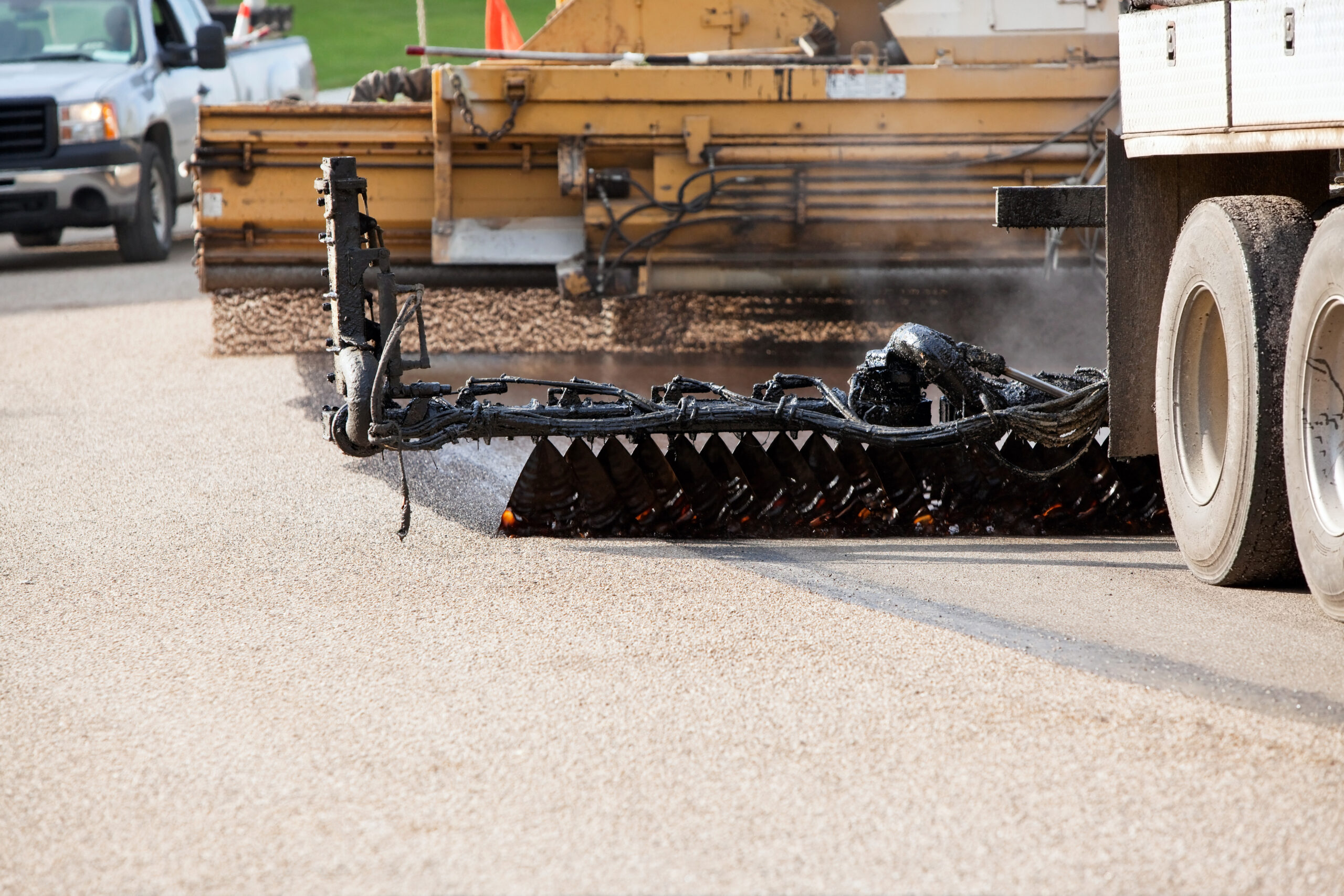
Maintaining asphalt roadways and parking areas doesn't always require full resurfacing. Surface treatments are cost-effective, durable, and can extend the life of pavement by protecting it from oxidation, moisture, and wear. For road managers, contractors, and property owners, understanding the types of surface treatments and their applications is key to choosing the right solution. Many of these treatments rely on asphalt emulsions, a versatile addition to the mix that can enhance adhesion and longevity.
What are Surface Treatments for Asphalt Roadways?
Surface treatments are thin-layer applications designed to preserve and protect asphalt pavements without the need for full-depth resurfacing. Unlike overlays or reconstruction, which involve adding significant thickness to the pavement structure, surface treatments focus on enhancing the existing pavement's durability, sealing minor defects, and improving safety features like skid resistance. These treatments are particularly effective for pavements that are still structurally sound but showing signs of aging, minor cracking, or surface wear.
Commonly used on low- to medium-traffic areas such as parking lots, residential streets, and secondary roadways, surface treatments are a cost-effective alternative to full reconstruction. They help prevent water infiltration, reduce oxidation of the asphalt binder, and limit the progression of raveling, minor cracking, or potholes. By addressing these issues early, surface treatments can significantly extend the life of the pavement while delaying the need for more expensive repairs or maintenance.
Surface treatments also vary in their composition and application method. Some, like fog seals, are simple emulsified asphalt sprays that provide a protective layer. Others, such as microsurfacing and slurry seals, use a mixture of asphalt emulsions, aggregates, and additives to create a durable, uniform surface. Combined treatments, like cape seals, integrate multiple methods to maximize protection and performance.
In addition to protecting pavement, surface treatments can improve aesthetics and drive user satisfaction. They restore uniform color and texture, fill minor surface irregularities, and enhance traction. For property managers and road agencies, understanding the purpose and types of surface treatments is critical for choosing the right approach—one that balances budget, traffic conditions, and expected pavement life.
Common Types of Asphalt Surface Treatments
Chip Seal
Chip seals consist of one or more layers of asphalt binder topped with aggregate. This treatment provides a durable protective layer that improves skid resistance and extends the life of the pavement, making it a cost-effective solution for low- to medium-traffic areas. However, chip seals are not ideal for heavily trafficked roads or pavements with extensive cracking, and newly applied aggregates may become loose, requiring initial sweeping.
Fog Seal
A fog seal is a single application of emulsified asphalt sprayed onto the pavement surface. It restores flexibility to aged asphalt, seals minor cracks, and protects against oxidation. Fog seals are quick and easy to apply, making them an excellent preventive maintenance option. On the other hand, they provide minimal structural improvement and are best suited for pavements in fair condition with light traffic.
Microsurfacing
Microsurfacing involves a single or double application of a proportioned mix of asphalt emulsion, aggregate, water, mineral filler, and additives that is uniformly spread over a prepared surface. It creates a durable, smooth layer to improve ride quality and can fix minor surface irregularities. While highly effective for moderate-traffic roads, microsurfacing requires proper surface preparation and is more expensive than fog seals or slurry seals.
Slurry Seal
Slurry seal combines asphalt emulsion, mineral aggregate, water, and additives into a mixture applied at a single-stone thickness. It protects pavement against oxidation and water infiltration while filling small cracks and restoring surface texture. Slurry seals can significantly extend pavement life at a relatively low cost. Limitations include the need for proper weather conditions during application and adequate curing time. Importantly, slurry seals do not provide structural reinforcement.
Cape Seal
Cape seals combine a chip seal followed by a slurry or microsurfacing layer. This two-step approach can enhance protection and extend the pavement's lifespan. However, cape seals involve higher costs and careful scheduling to allow proper curing between application of the two layers.
Crack Seal
Crack sealing targets individual cracks in pavement with an adhesive material designed to additional prevent water infiltration and to slow cracking progression. It can be a low-cost solution for minor pavement damage. Its effectiveness is limited to working cracks and cannot address extensive pavement deterioration.
Rejuvenating Fog Seal
Similar to a standard fog seal, a rejuvenating fog seal uses rejuvenating emulsions to restore flexibility to oxidized asphalt. It enhances adhesion and resistance to cracking, making it ideal for preventive maintenance and extending pavement life. This treatment does not provide structural repair, so it is best applied to pavements in fair condition.
Scrub Seal
A scrub seal is a variation of a chip seal where an asphalt distributor with a broom attachment guides emulsion into cracks, combining crack sealing and surface protection in a single step. It improves adhesion and helps extend pavement life. Scrub seals require specialized equipment and skilled application, both of which can increase complexity and costs.
Choosing the Right Surface Treatment
Selecting the proper surface treatment requires evaluating multiple factors:
- Traffic volume: Heavier traffic may require more robust treatments like microsurfacing.
- Pavement condition: Crack density, rutting, and raveling affect treatment choice.
- Budget and maintenance goals: Surface treatments are often more cost effective than full overlays but must be applied with care.
- Desired lifespan: Rejuvenating emulsions like those formulated with ReLIXER can extend the effective life of the pavement beyond standard treatments.
The Role of Asphalt Emulsions in Surface Treatments
Many surface treatments rely on asphalt emulsions in the binder. Emulsions can offer several advantages over traditional asphalt including:
- Easier handling and application at lower temperatures
- Improved adhesion to existing pavement
- Flexibility for minor surface movement
- Cost-effective preservation for low- to medium-traffic areas
ReLIXER® Asphalt Emulsions
ReLIXER asphalt emulsions are advanced rejuvenating emulsions designed to enhance the performance of asphalt surface treatments. These emulsions restore flexibility to aged pavements, helping soften the existing road surface and improve adhesion with applied fresh aggregate. By increasing the availability of binder, ReLIXER can enhance crack resistance, fatigue performance, and overall durability.
Formulated for excellent stripping resistance, ReLIXER emulsions reduce reliance on high-quality aggregates and eliminate the need for cutbacks or petroleum-based solvents. This makes them a versatile, environmentally friendly option for fog seals, microsurfacing, slurry seals, and other surface treatments.
PGXpand® Asphalt Emulsions
PGXpand emulsions are engineered using a unique bitumen-friendly polymeric additive to create high-performance emulsions. Designed for efficiency, PGXpand blends readily into bitumen with low-shear mixing and short processing times, and it is highly dosage-efficient. These emulsions can deliver outstanding high-temperature performance and excellent rutting resistance, ensuring pavements remain durable even under heavy traffic and extreme conditions.
PGXpand emulsions can be tailored to achieve specific performance properties and are compatible with both slow-set and rapid-set formulations. They attain tack-free status quickly, allowing for faster project completion while maintaining long-term durability. Ideal for applications requiring enhanced structural performance, PGXpand emulsions provide contractors with a reliable option for advanced asphalt surface treatments.
Maximizing Pavement Lifespan with the Right Surface Treatments
Choosing the right surface treatment is key to preserving asphalt roadways and extending their service life. From fog seals and microsurfacing to advanced solutions like ReLIXER and PGXpand emulsions, each method offers unique advantages depending on pavement condition, traffic levels, and maintenance goals. Rejuvenating emulsions such as ReLIXER restore flexibility, enhance crack resistance, and improve adhesion, while polymer-modified PGXpand emulsions deliver superior high-temperature performance and rutting resistance for more demanding applications.
By understanding the specific properties and applications of each surface treatment, road managers and contractors can make informed decisions that balance cost, durability, and performance. Leveraging innovations in asphalt emulsions ensures pavements remain smooth, resilient, and safe, helping maximize lifespan and delay the need for costly full-depth reconstruction.
For more information about asphalt surface treatments, emulsions, ReLIXER, and PGXpand, contact info@sripath.com.
