
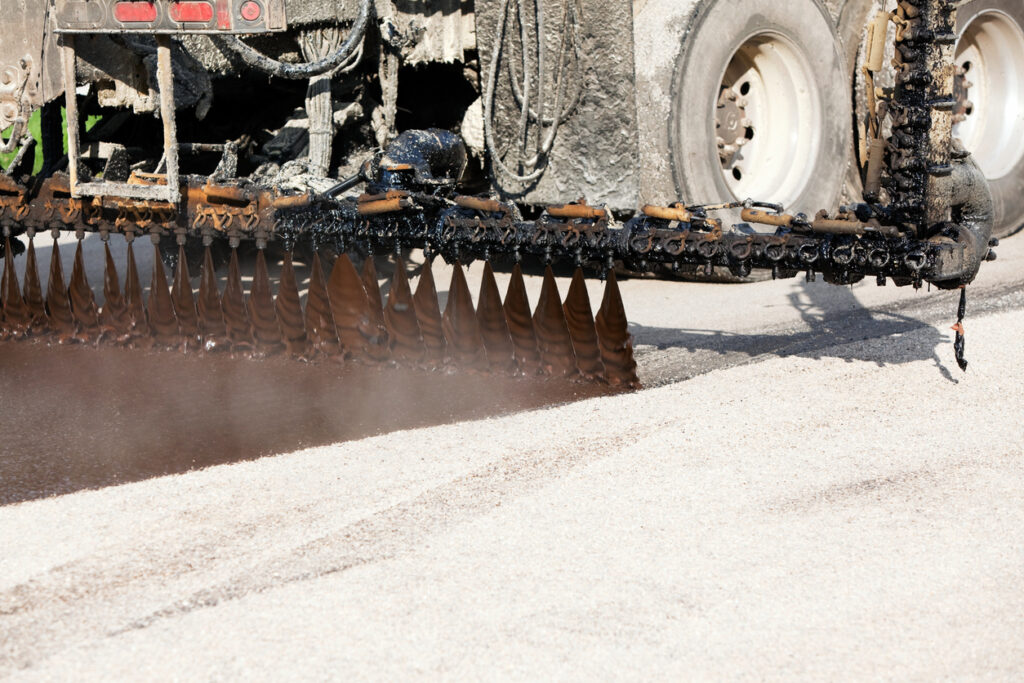
Asphalt emulsions are a key product in modern road construction and maintenance, offering a versatile, cost-effective, and environmentally friendly way to improve pavement performance and extend the life of asphalt surfaces. Understanding how emulsions work and why they are important can help contractors, engineers, and municipalities make informed decisions when choosing materials for road projects.
What Are Asphalt Emulsions?
Asphalt emulsions are a mixture of bitumen, water, and an emulsifying agent that allows the bitumen to be dispersed as tiny droplets in water. Unlike hot asphalt, emulsions can be applied at lower temperatures, making them safer to handle, easier to work with, and more energy efficient.
Why Are Asphalt Emulsions Important?
Asphalt emulsions provide several advantages over traditional hot mix asphalt:
- Energy efficiency: Applied at lower temperatures, reducing fuel use
- Environmental benefits: Less greenhouse gas emissions and reduced odor
- Cost-effectiveness: Simpler application and reduced equipment requirements
- Versatility: Can be used in road repairs, surface treatments, tack coats, and cold mix asphalt.
FAQ: Common Questions About Asphalt Emulsions
How Do Asphalt Emulsions Work?
Asphalt emulsions work by coating aggregates and other road surfaces with tiny asphalt droplets that bind together when the water evaporates or drains. The emulsifying agent ensures the asphalt remains stable and easy to spray or mix until it is applied to the road surface.
What Are the Different Types of Asphalt Emulsions?
Asphalt emulsions are classified based on their charge (cationic or anionic) and setting speed (rapid, medium, or slow).
- Cationic emulsions are positively charged and work best with negatively charged aggregates.
- Anionic emulsions are negatively charged and compatible with positively charged materials.
- Rapid-setting emulsions are used when traffic needs to resume quickly.
- Medium setting emulsions are used when longer work time is needed.
- Slow-setting emulsions are ideal for deep penetration or dust control.
What Does Emulsified Asphalt Mean?
Emulsified asphalt, or asphalt emulsion, is a mixture of asphalt, water, and an emulsifying agent that allows the asphalt to be dispersed as tiny droplets in water. This formulation lets the asphalt be applied at lower temperatures compared to hot mix asphalt, making it safer, easier to handle, and more energy efficient. Once applied, the water evaporates or drains away, and the asphalt droplets coalesce to form a durable, cohesive layer that binds aggregates and improves pavement performance.
When Should I Use Asphalt Emulsions Instead of Traditional Hot Asphalt?
Emulsions are ideal for:
- Cold mix asphalt applications
- Surface treatments like chip seals or slurry seals
- Tack coats to promote bonding between old and new asphalt layers
- Maintenance in cooler weather when heating asphalt is not practical
Are Asphalt Emulsions Environmentally Friendly?
Asphalt emulsions can support sustainability goals by helping reduce energy consumption since they do not require heating to extreme temperatures. They may also lower greenhouse gas emissions and minimize fumes, making them a sustainable choice for road construction.
Can Asphalt Emulsions Be Stored Before Use?
Proper storage is essential. Asphalt emulsions should be kept in sealed containers at moderate temperatures and protected from freezing or extreme heat. Storage stability varies depending on the emulsion type.
How Long Do Asphalt Emulsions Take to Set?
Setting time depends on the type of emulsion and environmental conditions. Rapid-setting emulsions may set in minutes, while slow-setting emulsions can take hours. Temperature, humidity, and aggregate type also influence the breaking time.
What Are the Benefits of Using Asphalt Emulsions for Road Maintenance?
Asphalt emulsions help:
- Extend pavement life by sealing cracks and surfaces
- Reduce dust on gravel roads
- Improve adhesion between asphalt layers
- Offer cost savings due to lower energy and labor requirements
What Are the Disadvantages of Asphalt Emulsion?
While asphalt emulsions offer many benefits, they have some limitations:
- Slower setting and curing time compared to hot asphalt, which may delay traffic reopening.
- Temperature sensitivity such as extreme cold or heat can affect stability and performance.
- Storage limitations due to requirements for sealed, temperature-controlled conditions to prevent separation.
- Less early strength in heavy-duty applications or very high-traffic areas.
- Added cost of emulsifier and special production equipment.
Why Asphalt Emulsions Matter
Asphalt emulsions are a versatile, cost-effective, and sustainable solution for modern road construction and maintenance. By understanding how emulsions work, their types, benefits, and application methods, engineers and contractors can make informed choices that improve road performance while reducing costs and environmental impact. Whether you're looking for cold mix solutions, surface treatments, or tack coats, asphalt emulsions offer a reliable alternative to traditional hot asphalt.
To learn more about asphalt emulsions, contact info@sripath.com.
