
Each spring, roadway safety professionals, government agencies, industry partners, and businesses across the United States come together for National Work Zone Awareness Week (NWZAW), a focused effort to remind drivers and workers of the importance of safety in and around road construction zones.
While road work is essential to maintaining and improving our transportation infrastructure, the reality is that work zones are high‑risk environments where both motorists and workers face hazards. This annual awareness campaign plays a crucial role in saving lives and preventing injuries by bringing attention to those risks and promoting safer behaviors.
Origins of National Work Zone Awareness Week
The idea behind NWZAW began in 1997 with the mission to raise awareness about the dangers of work zones before the busy road construction season began. A group of staff with the Virginia Department of Transportation (VDOT) in southwestern Virginia organized an internal week‑long safety awareness effort to educate district employees. The initiative was so successful that the concept quickly spread to other state departments of transportation, and in 1999 the California Department of Transportation (Caltrans) launched a statewide public safety campaign known as "Slow for the Cone Zone."
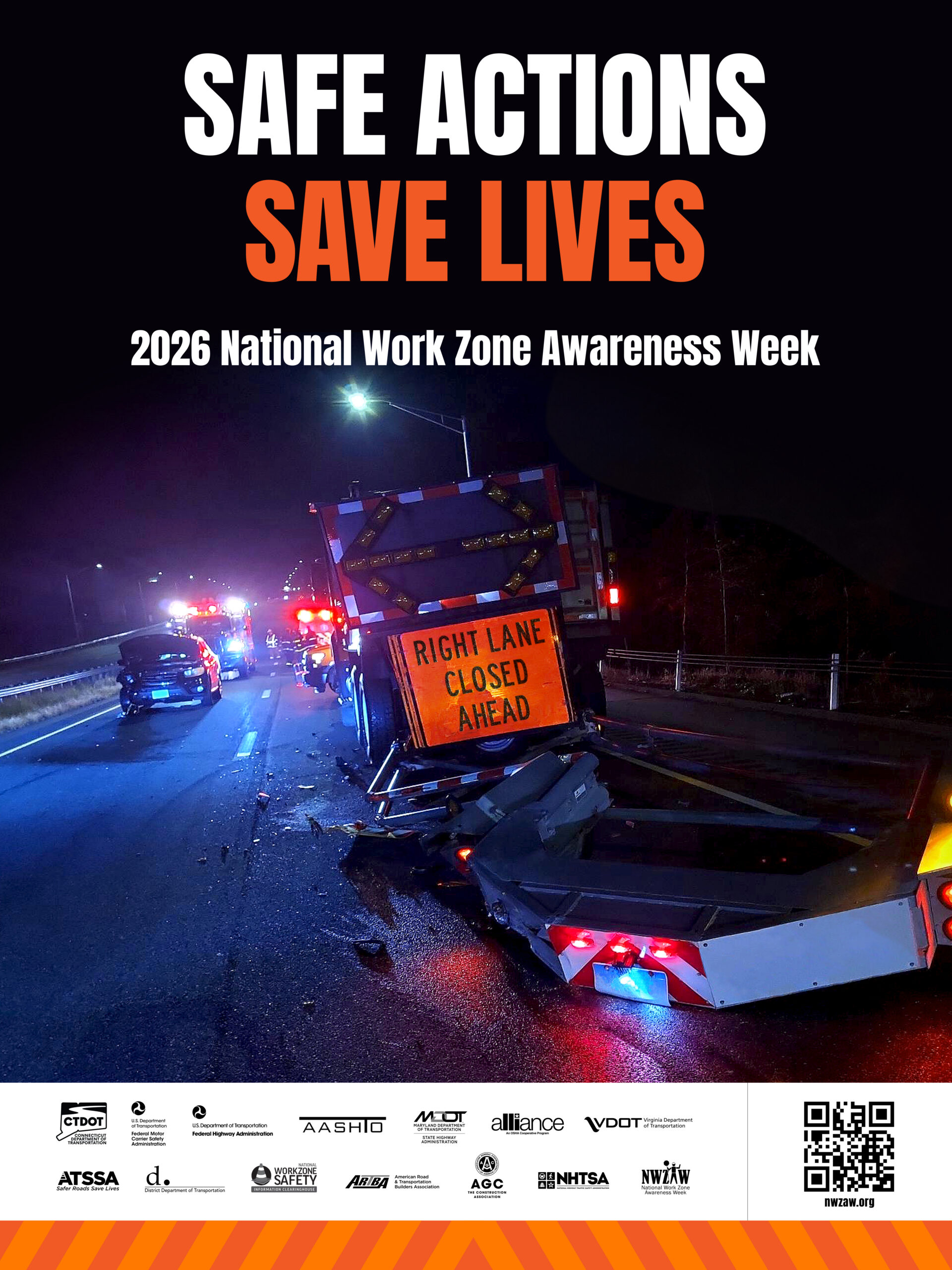 Seeing the value of a coordinated effort, VDOT proposed expanding the idea nationally. In December 1999, the American Traffic Safety Services Association (ATSSA) partnered with the Federal Highway Administration (FHWA) and the American Association of State Highway Transportation Officials (AASHTO) to formalize the first official NWZAW campaign. The collaboration established shared goals, including raising awareness of the need for caution while driving through work zones, promoting safety training and best practices, and fostering partnerships across government and private sectors.
The first official kick-off event occurred in April 2000 in Springfield, Virginia, marking the start of what has become an enduring national tradition. Since then, National Work Zone Awareness Week has been observed each spring with varied themes reinforcing the core message that safety is a shared responsibility among motorists, workers, and industry professionals.
The Importance of Work Zone Safety
Work zones present a unique set of hazards. Heavy machinery operates alongside moving traffic, lane closures and traffic shifts can be confusing, and workers often operate just feet from vehicles traveling at speed. According to industry data, the majority of work zone deaths are not workers themselves but motorists and their passengers — underscoring the need for awareness from all road users.
NWZAW also features Go Orange Day, a national initiative where individuals, organizations, and agencies wear orange to show support for work zone safety. Introduced by the FHWA in 2016 as part of the campaign, Go Orange Day encourages visibility and unity around the message that everyone has a role to play in preventing work zone injuries and fatalities.
Beyond awareness, NWZAW serves as a reminder of the human element behind every work zone. Workers heading home at the end of a shift are sons and daughters, parents, friends, and neighbors. Even one life lost or injury sustained is one too many, which is precisely why this campaign continues to gain national traction each year.
How Sripath Prioritizes Safety Year Round
At Sripath, safety is a continuous commitment. Sripath understands the inherent risks in construction environments across the paving and roofing industries.
Roadway face some of the most dangerous conditions among construction trades. Transportation incidents including those caused by both construction equipment and passing vehicles remain a leading cause of injuries and fatalities in the field. Sripath supports the implementation of strong safety protocols like daily briefings, hazard assessments, proper use of personal protective equipment, and clear communication.
Among the practical safety tips Sripath promotes are wearing high‑visibility gear, avoiding blind spots around heavy equipment, maintaining effective communication through radios or hand signals, and ensuring adequate lighting and signage during low‑visibility work. These practices mirror industry‑wide recommendations and are critical to protecting both workers and motorists.
Sripath also embeds safety into its product design and manufacturing processes, emphasizing where and how materials are safe for handlers and end users. The company's Health & Safety Manual reflects a corporate culture where safety considerations influence strategic decisions and product development. Sripath also investigates near misses and incidents, using lessons learned to refine safety standards globally.
This holistic approach demonstrates how safety can be prioritized year‑round to benefit employees, contractors, clients, and the broader public.
Shared Responsibility, Better Outcomes
National Work Zone Awareness Week serves as a reminder that safety is an intentional effort. It requires consistent messaging, ongoing education, and everyday vigilance.
As we observe NWZAW, now is a great time to consider committing to policies and practices that further protect those who build and maintain our roadways.
For more information about Sripath's commitment to safety, contact info@sripath.com.
