
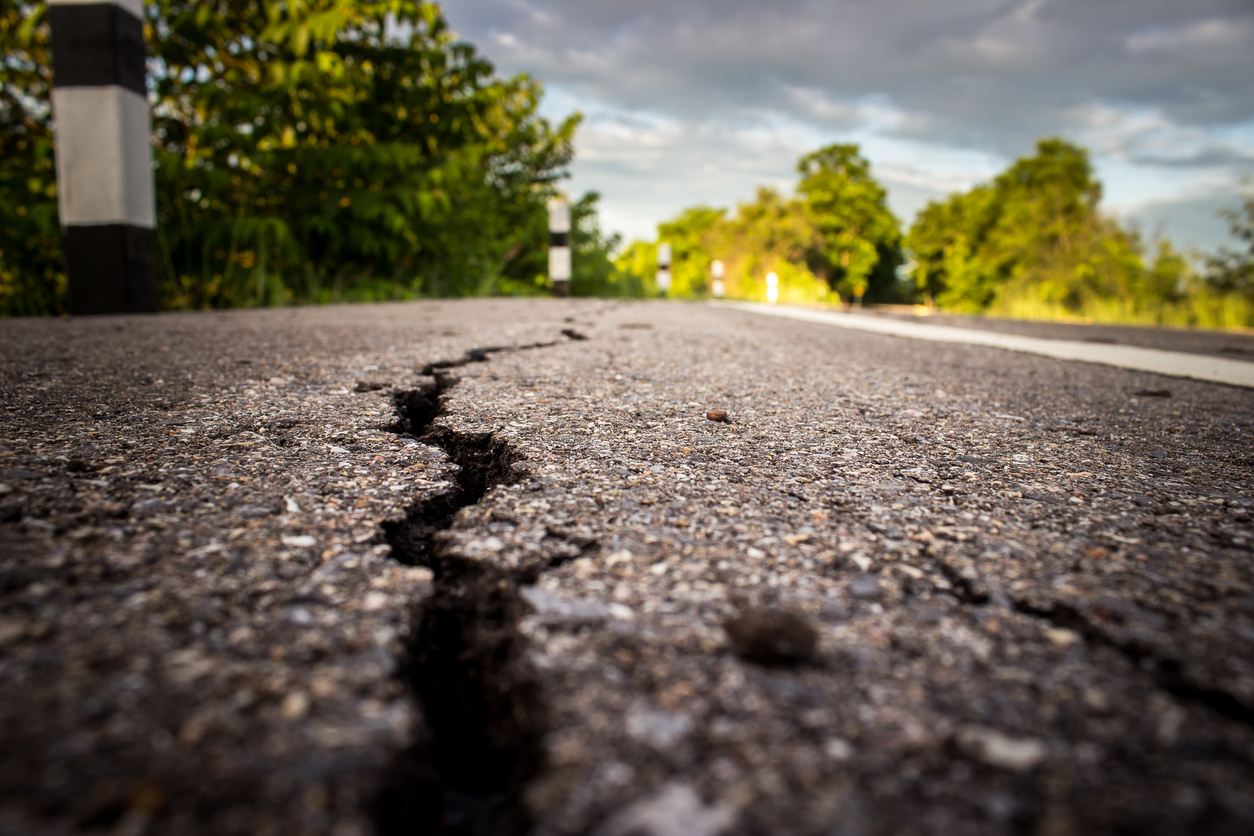
Asphalt pavements are subjected to a complex combination of mechanical stresses, environmental conditions, and temperature fluctuations throughout their service life. Fatigue cracking and surface deterioration are common challenges that can significantly reduce pavement lifespan and increase maintenance costs.
One of the most effective strategies to combat these issues is PMB asphalt crosslinking, a process that enhances binder elasticity, cohesion, and resistance to micro-crack propagation. Understanding the benefits of asphalt crosslinkers can help pavement engineers and producers make informed choices for long-lasting pavements.
Understanding Asphalt Crosslinking
At its core, an asphalt crosslinker creates chemical bonds between polymer chains and the binder, transforming it from a linear or branched polymer network into a three-dimensional network. This structural modification fundamentally alters the binder's mechanical behavior, improving elasticity, tensile strength, and thermal stability. As a result, crosslinked binders are often better equipped to absorb repeated traffic loads without developing fatigue cracks, especially under the stresses of urban and highway traffic.
From a performance perspective, crosslinkers for PMB (polymer modified bitumen) directly contribute to fatigue-resistant asphalt mixes. The enhanced cohesion between binder molecules prevents micro-cracks from turning into larger fractures, a critical factor in extending pavement life.
Crosslinked binders can also exhibit improved performance in extreme temperatures, maintaining flexibility in cold weather and resisting rutting at high temperatures. This dual capability is essential for pavements in regions experiencing both frequent freeze-thaw cycles, where traditional binders often suffer accelerated cracking and deformation and high traffic at high seasonal ambient temperatures.
The Role of Crosslinking Additives
While traditional crosslinkers for PMA (polymer modified asphalt) such as sulfur provide certain improvements in elasticity and durability, innovative asphalt additives can significantly boost performance while simplifying plant operations. ButaPhalt® is an innovative crosslinker designed to improve both binder performance and operational efficiency. ButaPhalt is available as a free-flowing, pumpable liquid or as a dust-free powder, helping to support easier handling in plant operations.
ButaPhalt enhances the effectiveness of sulfur crosslinking asphalt reactions, promoting a more uniform and stable polymer network within the binder. This translates to increased cohesion, better thermal stability, and improved fatigue resistance, all of which are critical for long-term pavement performance. In this way, ButaPhalt can contribute to smoother, longer-lasting pavements that better withstand heavy traffic loads and environmental stressors.
Operational and Environmental Benefits of Asphalt Crosslinkers
Beyond its impact on pavement performance, the choice of an asphalt crosslinker can have a substantial influence on plant efficiency and environmental conditions. ButaPhalt is designed to reduce hydrogen sulfide (H₂S) emissions, improving air quality and working conditions for plant operators.
Its high efficiency at low dosages allows producers to achieve desired performance with less polymer, potentially lowering material costs and reducing waste. Additionally, it can contribute to cleaner processing equipment and smoother PMB operations, enhancing overall productivity.
For pavement producers, these benefits may translate into more predictable mixing and production cycles, cleaner handling, and easier compliance with environmental standards.
Crosslinking and Freeze-Thaw Durability
Pavements in climates with significant seasonal temperature swings are particularly vulnerable to freeze-thaw damage. Water infiltration followed by freezing can create internal stresses that accelerate cracking and debonding.
Crosslinked asphalt binders, by virtue of their enhanced elasticity and cohesion, can be more resilient to these stresses. They can allow the pavement to flex and recover without forming cracks, which can help reduce maintenance needs and extend the service life of the roadway. When combined with a high-performance asphalt additive like ButaPhalt, the binder maintains these benefits even under challenging environmental conditions.
Key Crosslinking Takeaways for the Asphalt Industry
For engineers, contractors, and producers, the benefits of asphalt crosslinkers and polymer modified bitumen crosslinkers translate into clear, actionable advantages in improving fatigue resistance, cracking prevention, and overall pavement durability.
- Enhanced Fatigue Resistance: Asphalt crosslinkers can increase binder cohesion and elasticity, reducing micro-crack formation and proliferation.
- Improved Long-Term Durability: Crosslinkers for PMB can improve performance under repeated traffic loads and freeze-thaw cycles, extending pavement lifespan.
- Operational Efficiency: Polymer modified bitumen crosslinkers like ButaPhalt simplify plant handling, reduce emissions, lower equipment fouling, and improve thermal stability.
- Cleaner, Safer Work Environment: Lower H₂S emissions and dust-free handling can enhance safety and comfort for plant operators.
- Optimized Binder Performance: Asphalt crosslinker additives can deliver desired grade and performance at lower polymer dosages, balancing cost, productivity, and pavement quality.
Maximizing Pavement Durability with Asphalt Crosslinkers and Polymer Modified Bitumen
Asphalt crosslinking is a proven method to enhance long-term fatigue and cracking resistance in pavements. Crosslinked asphalt mixes can deliver superior performance under traffic and environmental stress. When combined with advanced additives like ButaPhalt, producers and contractors gain the dual advantage of optimized binder performance and more efficient, cleaner plant operations.
In an industry where durability and performance are increasingly important, leveraging the science of asphalt crosslinkers is a strategic approach to building quality roadways.
For more information about asphalt crosslinkers and ButaPhalt, contact info@sripath.com.
