
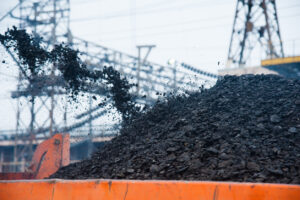
Recycling asphalt is a cornerstone of sustainable road construction that offers economic, environmental, and performance benefits. Understanding recycled asphalt, its uses, performance considerations, and asphalt rejuvenation technologies is critical for contractors and mix designers looking to build durable, eco-friendly roadways.
What is Recycled Asphalt?
Recycled asphalt, often referred to as reclaimed asphalt pavement (RAP), is asphalt material removed from old roadways and reused in new pavement mixtures. Rather than sending old asphalt to landfills, reclaimed asphalt pavement is processed by crushing, screening, and blending the material with fresh binder and aggregates to create high-performing pavements.
Globally, asphalt is one of the most recycled materials, with studies showing over 90% of asphalt pavement is recycled in countries like the U.S. This high recyclability makes asphalt a unique material in the construction industry, aligning with circular economy principles.
Why Recycle Asphalt?
Recycling asphalt addresses multiple industry challenges. First, it can reduce raw material costs by replacing a portion of virgin aggregates and binder. Second, it can reduce environmental impact by lowering greenhouse gas emissions and conserving natural resources. Finally, it can support environmentally-friendly construction practices to help municipalities and contractors meet stringent sustainability goals.
Performance Considerations for Recycled Asphalt
While recycled asphalt offers many advantages, it can present performance challenges if not properly managed.
- Binder aging: Asphalt binder in RAP is often oxidized, which can lead to stiffness, cracking, or reduced workability if not dosed with an ideal asphalt rejuvenator.
- Aggregate grading: The particle size and quality of reclaimed aggregates must be carefully controlled and the material must be processed correctly to meet mix design requirements.
- Compatibility: Blending RAP with fresh asphalt binder requires careful formulation, often through balanced mix design, to maintain desired pavement performance.
To overcome these challenges, asphalt rejuvenators are used to restore binder properties and ensure the recycled mix performs like new asphalt.
The Role of Asphalt Rejuvenators Like ReLIXER®
Asphalt rejuvenators like ReLIXER, play a vital role in recycled asphalt applications. A specially formulated elixir of bio-based oils, ReLIXER is an asphalt rejuvenator or recycling agent designed to quickly penetrate RAP particles and rejuvenate the aged binder, restoring its key performance properties. It also helps provide workability to stiff high-RAP mixes.
By restoring the functional properties of the aged binder in RAP, ReLIXER can enable higher RAP percentages without compromising pavement performance. This allows contractors to maximize recycled content while delivering durable, long-lasting pavements.
Sustainability Benefits of Recycled Asphalt
Recycling asphalt significantly reduces the environmental footprint of road construction:
- Lower landfill usage: Old asphalt is repurposed in new pavement projects instead of being sent to disposal sites.
- Resource conservation: Demand for virgin aggregates and asphalt binder is reduced.
- Reduced emissions: Mining, transportation, and production of new materials generate less CO₂.
- Supports circular economy: Asphalt recycling follows the principles of reuse and responsible materials management.
- Lower mix carbon footprint: The environmental impact of mixes can be reduced by using asphalt rejuvenators or recycling agents like ReLIXER.
When dosed with an asphalt rejuvenator like ReLIXER, recycled asphalt can meet performance requirements while contributing meaningfully to sustainable infrastructure goals.
Best Practices for Using Recycled Asphalt
To maximize performance and sustainability when working with recycled asphalt, follow these best practices:
- Blend Design: Carefully balance RAP content with fresh binder to maintain workability and performance
- Rejuvenator Dosage: Use high-quality asphalt rejuvenators to restore binder properties
- Quality Control: Monitor aggregate grading, binder viscosity, and mix temperature for consistent results
- Performance Testing: Conduct rutting, fatigue, and low-temperature cracking tests to ensure the recycled mix meets project specifications
For more information about recycled asphalt, asphalt rejuvenation, and ReLIXER, email info@sripath.com
FAQs About Recycled Asphalt
What is recycled asphalt used for?
It is used in new road construction, overlays, parking lots, and other paving applications, often blended with fresh binder, aggregates, and an asphalt rejuvenator.
Why is asphalt highly recyclable?
Asphalt can be reclaimed, crushed, and reused, making it one of the most recycled construction materials globally. Adding an asphalt rejuvenator can help restore the functional properties of the aged binder in recycled asphalt, allowing it to be used in new projects.
What are the concerns with using recycled asphalt?
Performance challenges may include aged binder stiffness, cracking, or mix workability issues, which can be mitigated through balanced mix design formulation and dosing with an asphalt rejuvenator.
How do asphalt rejuvenators like ReLIXER help?
Rejuvenators restore flexibility and workability to aged binder, allowing higher RAP content without compromising performance.
How does recycled asphalt impact sustainability?
It reduces landfill waste, conserves natural resources, lowers emissions, and supports circular economy practices in infrastructure construction.
