
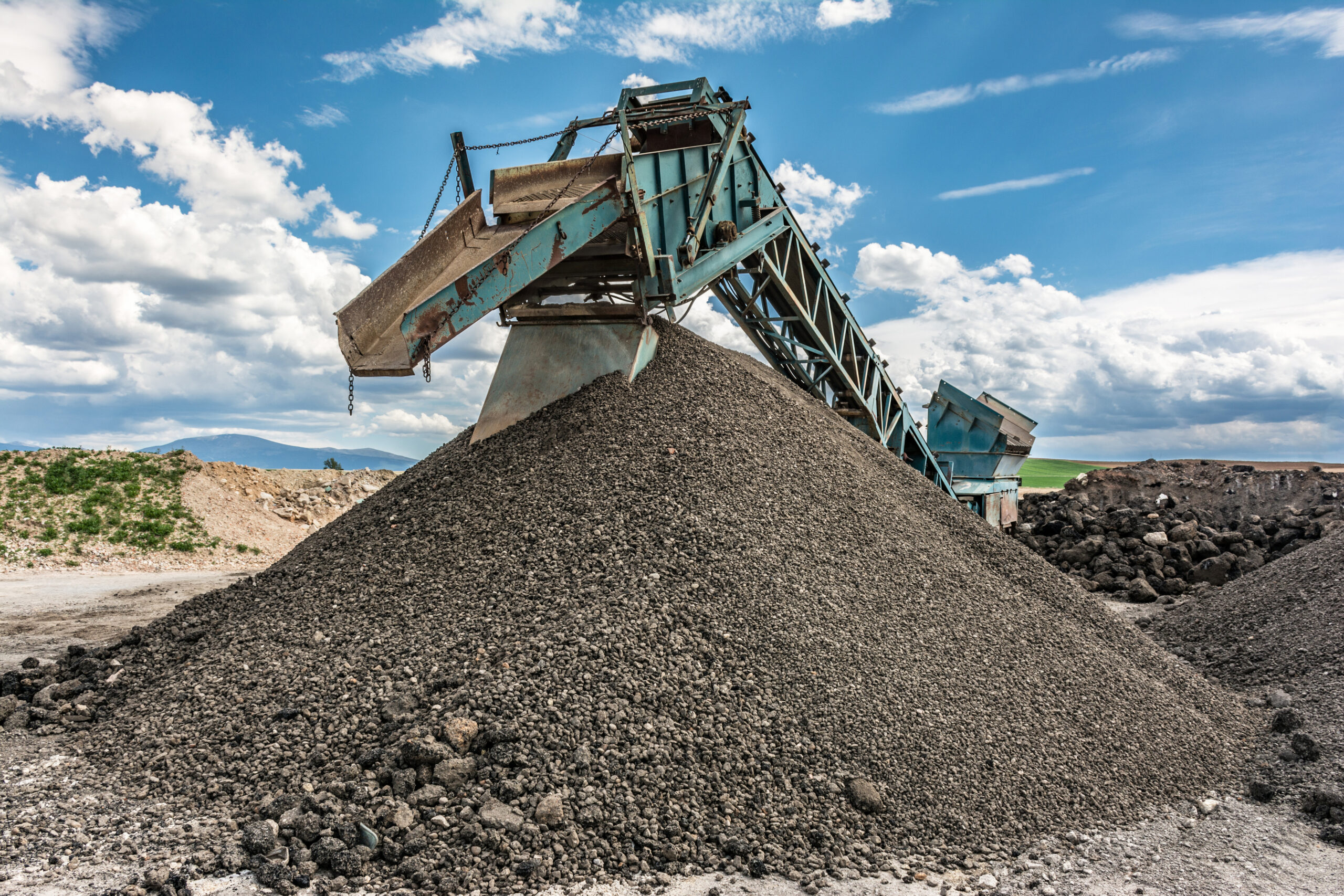
High-RAP mix design has become central to conversations as sustainability and performance expectations continue to reshape the asphalt industry. Contractors, agencies, and producers are asking the same core questions: What qualifies as high RAP? How does RAP use affect asphalt mix design? Does high-RAP mix design actually work?
Understanding the role of reclaimed asphalt pavement (RAP) and the increasing importance of asphalt rejuvenator technologies is essential to answering these questions.
What Is Reclaimed Asphalt Pavement (RAP)?
Reclaimed asphalt pavement refers to material recovered from existing asphalt pavements during milling or full-depth removal. RAP contains both aggregate and aged asphalt binder, making it a valuable recycled resource for new asphalt mixtures.
RAP has been used in asphalt production for decades but historically at relatively low percentages, often between 10% and 20%. Improved processing methods, advanced testing, and performance-based specifications are enabling much higher RAP content in mix designs without sacrificing quality.
What Is Considered a High-RAP Mix?
High-RAP mixes typically contain 30% RAP or more. Some designs exceed 40% or even 60%, with examples of successful 100% RAP implementation demonstrating further innovation. At these levels, RAP is no longer a supplemental material. Instead, it becomes a defining component of the mix.
The shift to using higher amounts of RAP content in asphalt mixes introduces new technical challenges, particularly related to binder stiffness, cracking resistance, and long-term durability. That's why high-RAP mix design must go beyond traditional volumetric approaches and focus on performance through techniques such as balanced mix design.
How Does High RAP Affect Asphalt Mix Design?
The primary challenge with high RAP content lies in the aged binder within the reclaimed material. Over time, asphalt binder becomes stiffer and more brittle. Using the aged material inherent in RAP without restoring its functional properties can lead to:
- Reduced cracking resistance
- Increased stiffness at intermediate and low temperatures
- Greater variability in mix performance
To compensate, mix designers often adjust virgin binder grade, aggregate structure, and production temperatures. However, these strategies may not be sufficient at higher RAP levels. This is where asphalt rejuvenator technologies play a critical role.
What Does an Asphalt Rejuvenator Do?
An asphalt rejuvenator, or asphalt recycling agent, is designed to restore the functional properties of the aged asphalt binder contained in RAP.
In high-RAP mixes, an asphalt rejuvenator helps:
- Reduce binder stiffness
- Improve cracking resistance
- Enhance blending between virgin and RAP binders
- Extend pavement service life
When properly selected and dosed, an ideal asphalt rejuvenator can allow producers to increase RAP content while continuing to meet performance-based specifications.
Among the different asphalt rejuvenator technologies available today, performance varies based on formulation, compatibility with aged binders, and how effectively blending occurs in the mix. ReLIXER® is a performance-based asphalt rejuvenator designed to restore the functional characteristics of the aged bitumen in RAP. Its use in high-RAP and performance-tested asphalt mixtures provides useful insight into how rejuvenators can support higher recycled content while meeting performance specifications.
Does High-RAP Mix Design Actually Work?
Numerous field trials, laboratory studies, and long-term pavement performance evaluations have shown high-RAP mixes can perform as well as, or better than, traditional mixes.
The key factors for success include:
- Proper RAP characterization Variability in RAP stockpiles must be managed through fractionation, testing, and consistent processing.
- Performance-based mix design Moving beyond volumetrics to evaluate cracking, rutting, and durability ensures mixes perform under real-world conditions.
- Effective asphalt rejuvenator selection Not all rejuvenators function the same way. Additives must be compatible with the binder system and proven under rigorous performance testing.
- Controlled production and placement Plant operations, temperatures, and quality control procedures can play a significant role in final pavement performance.
When these elements are jointly addressed, high-RAP mixes have demonstrated strong durability, excellent fatigue resistance, and meaningful reductions in lifecycle costs.
How Asphalt Rejuvenators Like ReLIXER® Enable High-Performing High-RAP Mixes
High-RAP mix design is ultimately limited by how well aged binder is restored, not by recycled content alone. Performance-based testing shows that the right asphalt rejuvenator can rebalance reclaimed binder and support durable, high-performing mixes.
40% High-RAP Performance on the Illinois Tollway
On the Illinois Tollway, a production mix containing approximately 40% recycled binder content was evaluated using performance-based criteria. When ReLIXER was introduced, the functionality of the aged RAP binder was restored, allowing the use of less virgin binder and fresh aggregates.
Cracking resistance improved based on Disc-Shaped Compact Tension (DCT) results, and Hamburg Wheel Tracking testing showed strong resistance to rutting and moisture damage. ΔTc values also moved closer to specification targets, indicating improved low-temperature performance without over-softening the binder. The result was a balanced, high-RAP mix that met performance requirements while reducing virgin binder demand.
100% RAP Mix Performance in New York City
A more advanced application was demonstrated in New York City, where 100% reclaimed asphalt pavement mixes were produced with no virgin bitumen added. ReLIXER was used to restore aged binder properties and support mix workability.
Laboratory testing confirmed that stability, flow, and air voids met specification limits. After one year in service, field cores showed consistent density, improved cracking resistance, and Hamburg Wheel Tracking results that met rutting criteria under heavy urban traffic.
These examples show that high-RAP mix design can perform reliably when guided by performance testing and supported by an effective asphalt rejuvenator. By restoring binder balance and improving blending, ReLIXER enables higher recycled content without sacrificing durability or pavement life.
What Are the Benefits of Using High RAP?
The advantages of high-RAP mix design extend beyond sustainability claims and can include:
- Lower material costs by reducing virgin binder demand
- Reduced environmental impact including lower emissions and resource consumption
- Improved circularity within asphalt production
- Potential for longer pavement life when rejuvenators are used effectively
For agencies and producers focused on environmental and sustainability goals, high RAP paired with the right asphalt rejuvenator can offer a measurable path toward lower global warming potential without compromising performance.
The Future of High-RAP Asphalt
As specifications continue to evolve and sustainability targets become more stringent, high-RAP mix design is expected to increase in use and innovation. Advances in asphalt rejuvenators, RAP processing, and performance testing are making higher recycled content a feasible and reliable alternative to using virgin materials.
For producers willing to adopt a performance-based mindset, using higher amounts of reclaimed asphalt pavement represents an opportunity to help save costs and the environment.
For more information about asphalt rejuvenation, high-RAP mixes, and ReLIXER, contact info@sripath.com.
