
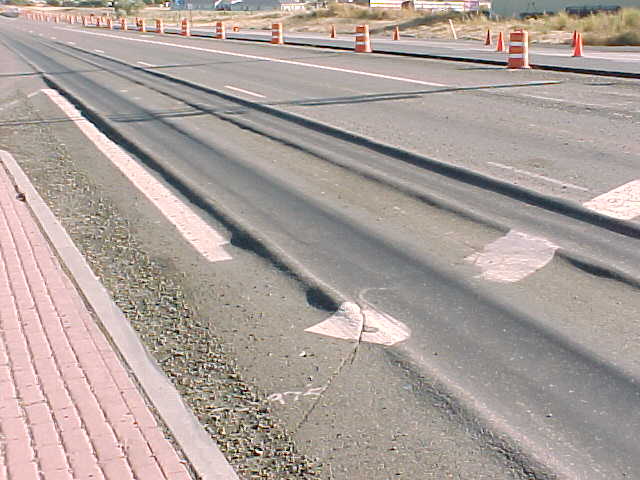
Polymer modification is a major area of study and development within the asphalt industry with solutions designed to enhance durability, performance, and longevity for roadways. For contractors, agencies, and engineers seeking high-performing pavements, understanding polymer modification and its practical applications is essential.
What is Polymer Modification?
Polymer modification involves adding specialized polymers to asphalt binders to improve their physical and chemical properties. By blending polymers into virgin bitumen, mix designers can create a more resilient, flexible, and durable material. These asphalt roadways can then withstand heavy traffic, extreme temperatures, and environmental stress.
Why Polymer Modification is Applied to Asphalt
Roadways face constant challenges from ongoing use and exposure to varying weather conditions. Unmodified asphalt can soften in hot weather, crack in cold climates, or deform under repeated loads. Polymer modification addresses these issues by improving fatigue and rutting performance.
This can ensure smoother, safer roads that require less maintenance and offer a longer service life. Studies have shown that SBS-modified asphalt can exhibit improved aging resistance compared to base asphalt.
Types of Polymer Modifiers for Asphalt
Common polymers include:
- Styrene-Butadiene-Styrene (SBS): Improves elasticity and thermal resistance, ideal for heavy traffic roads.
- Ethylene Vinyl Acetate (EVA): Enhances rutting resistance and adhesion between binder and aggregate.
- Crumb Rubber: Derived from recycled tires, boosts flexibility and supports sustainable construction practices.
- Specialty Polymers: Tailored blends for specific climate or traffic requirements.
How Polymer Modification Improves Roadway Performance
Polymer modified bitumen (PMB) offers significant advantages over using virgin asphalt in mixes for roadway development:
- Rutting Resistance: Reinforced polymer networks prevent permanent deformation under heavy traffic.
- Thermal Cracking Resistance: Remains pliable in cold weather, reducing thermal cracking.
- Fatigue Resistance: Handles repeated traffic loads with less cracking.
- Extended Pavement Life: Reduced maintenance frequency saves costs and minimizes disruptions.
Implementation Best Practices
To maximize the benefits of PMB blends, mix designers can consider the following:
- Mixing: Ensure uniform polymer dispersion with precise temperature control.
- Polymer Content: Typical SBS or EVA content ranges from 3–7% by weight of binder, depending on traffic and climate.
- Binder Compatibility: Match polymer type to binder grade to avoid separation or performance loss.
- Construction Monitoring: Maintain proper plant temperatures and monitor binder viscosity for consistent performance.
Proper implementation ensures that polymer modified bitumen meets performance expectations and longevity goals.
Sustainability Considerations for PMB Formulation
Polymer modification can support more sustainable pavements:
- Recycled Polymers: Crumb rubber from tires reduces landfill waste and adds flexibility.
- Extended Life: Longer-lasting roads mean fewer resurfacing projects, reducing resource consumption and emissions.
- Energy Efficiency: Improved binder performance allows lower mixing temperatures for some PMA blends, saving energy at asphalt plants.
PGXpand®: A High‑Performance Example
PGXpand is a uniquely engineered, bitumen-friendly polymeric additive designed to elevate the performance of asphalt binders and mixes. It delivers a suite of benefits for paving applications, making polymer modification more efficient and effective.
Key Benefits of PGXpand® include:
- Enhanced high‑temperature performance and improved rutting resistance, helping roadways resist deformation
- Maintains low‑temperature properties to boosts hot‑weather strength without compromising cold‑weather performance
- Lower viscosity and improved workability to enable easier mixing, better compactability, and supports higher filler loads
- Plant‑operation friendly with as a more dosage efficient and storage stable additive
- Lower carbon footprint of PMB produced contributes to manufacturer and municipality sustainability goals
PGXpand ensures that polymer modification translates into practical, high-performing pavements.
High-Performance Pavements with Polymer Modification
Polymer modification is essential for high-traffic or high-performance pavements. PMBs can deliver smoother, longer-lasting roads.
PGXpand makes implementing polymer modification easier and more effective, providing improved rutting resistance, durability, and workability while helping to optimize costs and energy use. When combined with best practices and carefully selected polymers, polymer modification can extend pavement life, reduce maintenance, and support sustainable construction practices.
For more information about polymer modification, PMBs, and PGXpand, email info@sripath.com
FAQs about Polymer Modification for Asphalt
What is polymer modification in asphalt?
Polymer modification adds specialized polymers to asphalt binders to improve flexibility, durability, and resistance to cracking or rutting, producing polymer modified bitumen (PMB) for high-performance roads.
Why is polymer modification used for asphalt?
It improves long-term pavement performance, helping roads resist rutting, cracking, and deformation caused by traffic loads, temperature changes, and environmental conditions.
What are the benefits of polymer modified bitumen?
- Enhanced durability and fatigue resistance
- Better thermal stability in hot and cold climates
- Reduced maintenance and lifecycle costs
- Supports sustainable practices
What types of polymers are used for asphalt modification?
Common polymers include SBS, EVA, crumb rubber, and specialty additives like PGXpand.
How does PGXpand support polymer modification?
PGXpand is a bitumen-friendly polymeric additive that helps deliver consistent and high-performing PMB blends to help enhancing durability, flexibility, and workability.
How long does polymer modified bitumen last?
PMB can extend pavement life by 20-30% compared to unmodified asphalt, reducing maintenance frequency and lifecycle costs.
