
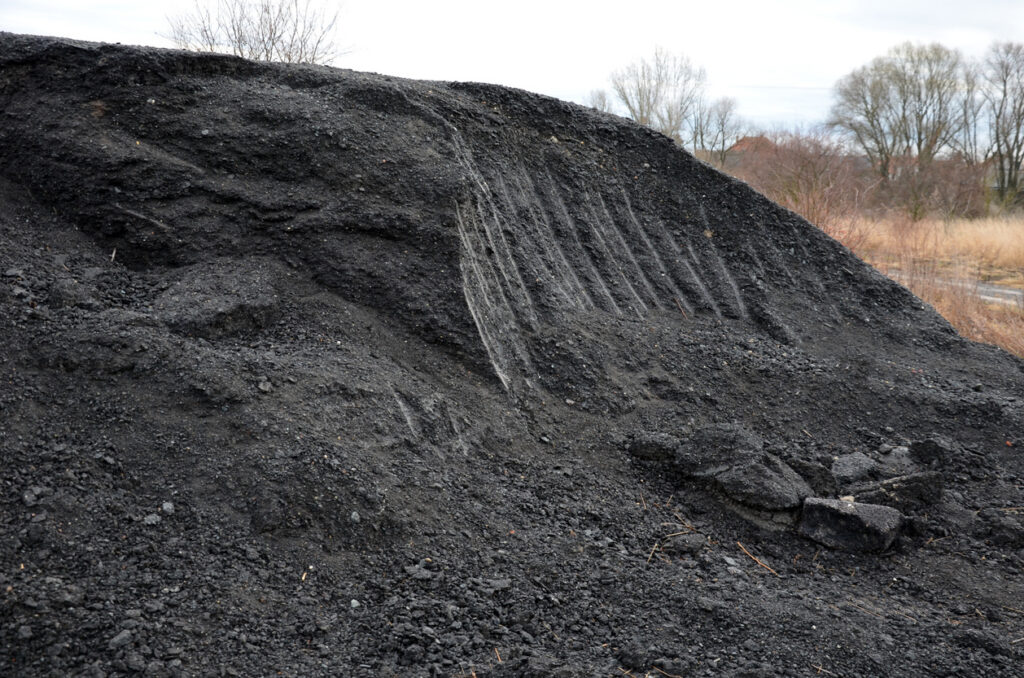
Reclaimed asphalt pavement (RAP) offers asphalt producers an opportunity to reduce reliance on virgin materials, lower production costs, and advance sustainability goals. But as recycled content increases, the technical considerations involved in maintaining mix quality and long-term pavement performance also rise.
So, how much RAP is too much? According to asphalt materials engineer Phil Blankenship, there is no universal percentage that separates a successful mix from an unsuccessful one. In his recent article, How Much RAP Is Too Much for an Asphalt Mix?, Blankenship explains the practical limit depends on the properties of the reclaimed materials, their contribution to the binder blend, project requirements, and the producer's ability to consistently manufacture and place the mix.
His perspective highlights that successful RAP utilization may maximize recycled content as long as producers understand how those materials affect the finished mix.
Understanding the Role of Aged Binder
One of the biggest considerations with higher RAP content is the condition of the aged asphalt binder. Exposure to heat, oxygen, and environmental conditions over time causes binder to oxidize, become stiffer, and lose some of its flexibility.
While increased stiffness can contribute to rutting resistance, excessive stiffness can make asphalt more susceptible to fatigue and thermal cracking. The challenge is finding the right balance between these competing performance characteristics.
As Blankenship points out, RAP content percentage doesn't tell the whole story. Two mixes containing the same amount of RAP can have significantly different recycled binder contributions depending on the binder content and condition of the reclaimed material. Understanding how much recycled binder is available to contribute to the new mix is equally important.
Where Asphalt Rejuvenation Fits In
As producers explore higher RAP percentages, asphalt rejuvenation offers one approach to addressing the challenges associated with aged binder.
An effective asphalt rejuvenator helps restore functional properties affected by binder aging, supporting flexibility and helping balance the stiffness contributed by recycled materials. This can give producers another tool for managing higher recycled binder contributions while maintaining the required performance characteristics.
However, to rejuvenate asphalt, selection and dosage matter. Too much softening can compromise other important characteristics including rutting. As Blankenship emphasizes, recycling agents must be evaluated as part of a balanced mix design instead of being viewed as a standalone solution.
Performance Testing Should Guide the Decision
Ultimately, the goal is to produce a consistent, durable mix that meets project specifications and performs reliably in the field.
Balanced Mix Design (BMD) provides a framework for evaluating competing performance requirements including cracking, rutting, and moisture susceptibility. Performance testing can help producers determine whether adjustments to RAP content, virgin binder selection, or rejuvenator dosage are needed to achieve the desired balance.
Material characterization, representative RAP sampling, stockpile management, and moisture control also remain essential, particularly as recycled content increases.
The opportunity to incorporate more RAP is significant, but higher recycled content must go hand in hand with sound engineering and performance-based decisions. With the right materials, mix design, and rejuvenation strategy, producers can make better use of reclaimed asphalt while keeping pavement performance at the forefront.
For more information, visit www.sripath.com or contact info@sripath.com.
